Situational Awareness Test
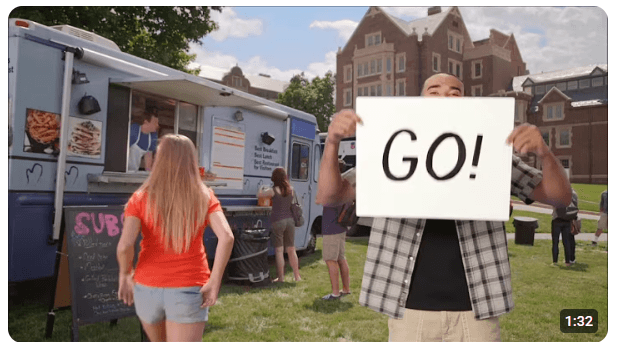
No single hidden trick this time — just a busy scene, and the question of how much of it you're actually taking in.
History
Situational awareness as a concept was formalised by human-factors researchers in aviation and the military from the 1980s onward, describing three layers: perceiving what's around you, understanding what it means, and anticipating what happens next. This test borrows that framing directly, rather than relying on a single hidden object to spot.
The setup
You watch a scene with several things happening at once — people moving, objects changing, small details shifting in the background — and afterwards you're asked what you actually registered. There's no single "gotcha" moment; the test is closer to real-world monitoring, where the challenge is dividing attention across a whole environment rather than committing it to one task.
What it helps you notice
It's designed to show the difference between looking and actually building a working picture of a scene — a skill directly relevant to driving in traffic, monitoring a room, or supervising a busy space. Questions it tends to raise:
- What did your eyes go to first, and why?
- What moved or changed that you didn't consciously register?
- How would you have scanned the scene differently on a second watch?